About Us
History
The Montana Teacher Residency Program (MTRP), originally named the Montana Teacher Residency Demonstration Project, was founded in 2022 and funded through COVID-19 federal relief (ESSER) funds with the goal to bring teachers to our understaffed school districts across Montana. The MTRP was co-developed by representatives from the Montana University System, the Office of Public Instruction, school districts, the Montana School Boards Association, legislators, and residency model experts from Colorado, Idaho, Illinois, Virginia, and Washington D.C. In 2024, the Montana State Legislature, working with the Office of Public Instruction, recognized the need to address teacher shortages through a sustained, paid residency model and has since provided the funding for the MTRP.
The MTRP is made possible through the collaboration of several key partners. The University of Montana Western (UMW) acts as the MTRP’s 'Hub', responsible for facilitation and providing core operations including office space. The Educator Preparation Programs (EPPs) are the institutions where Resident Teachers are enrolled to earn their teacher licensure. Lastly, the Office of Public Instruction (OPI) provides the learning labs, professional development opportunities, and funding for the MTRP. Each of these partners play a crucial role in supporting the MTRP and ensuring its success.
MTRP Team
Kirsten Minnick
Teacher Residency Program Coordinator

Valerie Boggs
MTRP Data and Program Support Specialist
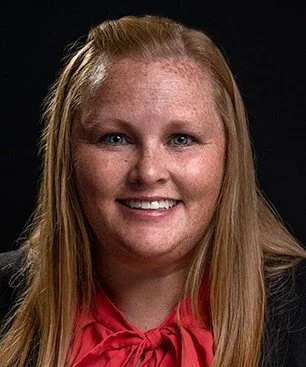
Krystal Smith
Opportunities & Innovative Learning Senior Manager, OPI

Angela McLean
Director of American Indian/Minority Achievement and K-12 Partnerships, OCHE
Legislative Action
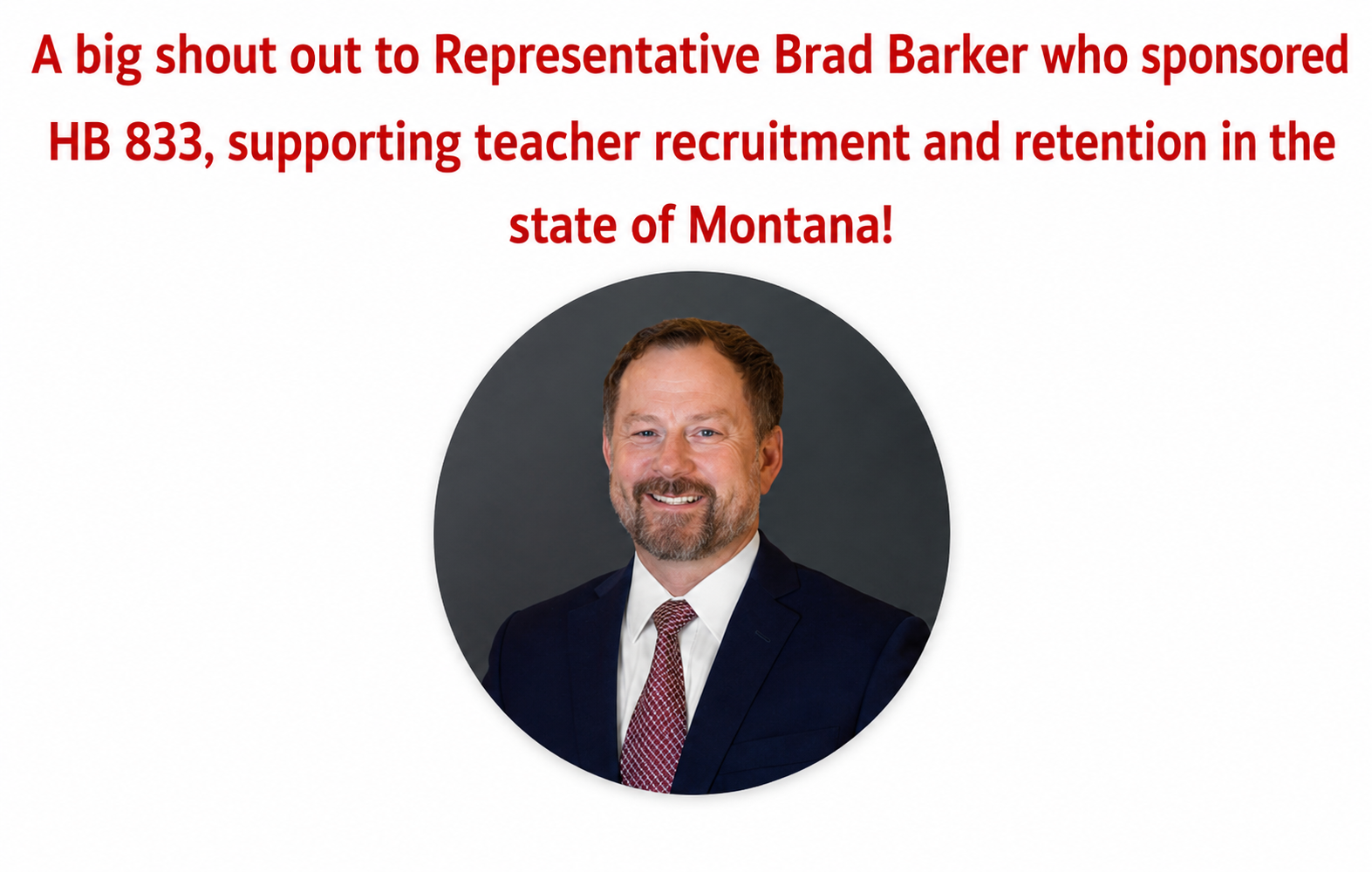
Montana Legislature became involved in funding the Montana Teacher Residency Program by transitioning it from a pilot funded by federal COVID-19 relief funds (ESSER) to a state-supported program starting in fiscal year 2025 via House Bill 833. Legislators, working with the Office of Public Instruction, recognized the need to address teacher shortages through a sustained, paid residency model.
$2 million dollars of state general fund is appropriated for the administration of the program. The appropriation is to be considered part of the ongoing base for the next legislative session.